
As per Intent Market Research, the Phosphatidylserine Market was valued at USD 578.3 Million in 2024-e and will surpass USD 1143.9 Million by 2030; growing at a CAGR of 12.0% during 2025-2030.
The phosphatidylserine (PS) market is experiencing significant growth as this phospholipid, known for its role in cellular function and cognitive health, gains attention in various applications. It is widely recognized for its potential to support brain function, memory, and cognitive health, making it a popular ingredient in dietary supplements, functional foods, and beverages. As more research underscores its benefits, particularly in improving cognitive performance and reducing stress, phosphatidylserine's demand is expected to increase across multiple sectors. Its use in healthcare products is poised for expansion, especially with a growing aging population and an increasing focus on preventive healthcare.
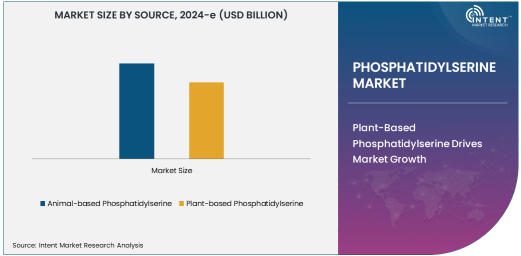
In recent years, plant-based phosphatidylserine has emerged as a significant subsegment in the market due to the rising demand for plant-derived ingredients and vegetarian alternatives. Consumers are increasingly prioritizing plant-based products as part of their health-conscious and ethical lifestyle choices. This trend is particularly evident in dietary supplements and functional foods, where plant-based options cater to a broader audience, including vegans and vegetarians. The transition to plant-based phosphatidylserine is expected to continue accelerating as more people adopt plant-based diets, boosting the segment's growth in the coming years.
Plant-Based Phosphatidylserine Drives Market Growth
Plant-based phosphatidylserine is the fastest-growing subsegment in the phosphatidylserine market, primarily driven by the growing preference for plant-derived ingredients across various consumer segments. The shift toward plant-based diets, due to ethical, environmental, and health reasons, is propelling the demand for plant-sourced PS, particularly among millennials and Gen Z consumers. These individuals are more likely to seek vegan and plant-based alternatives to traditional animal-sourced products. This shift aligns with the growing awareness of sustainability and environmental concerns, making plant-based phosphatidylserine increasingly appealing.
In addition to catering to dietary preferences, plant-based phosphatidylserine is also gaining traction in functional foods and beverages, where it is used to support cognitive function and mental clarity. The potential health benefits associated with plant-based PS, such as reducing cognitive decline and improving memory, are appealing to consumers looking for natural alternatives to support brain health. As more studies highlight the efficacy of plant-based phosphatidylserine in improving mental well-being, its adoption in the nutraceutical sector is expected to rise sharply.
Dietary Supplements Lead the Application Market
Dietary supplements are the largest application segment in the phosphatidylserine market, accounting for a significant portion of the total demand. Phosphatidylserine is widely used in these supplements due to its well-documented benefits in enhancing cognitive function, memory, and stress reduction. As the aging population grows and awareness of mental health increases, consumers are increasingly turning to dietary supplements as a preventive measure to maintain cognitive health and support overall well-being. Phosphatidylserine's role in improving memory and concentration, particularly in older adults, has made it a key ingredient in nootropic and cognitive-enhancing supplements.
The market for dietary supplements is further supported by the growing popularity of self-care and wellness trends, with consumers prioritizing mental health and cognitive performance. As the demand for brain health supplements continues to rise, the phosphatidylserine segment is positioned for sustained growth. Additionally, increasing health concerns related to aging, such as Alzheimer's and dementia, are driving the demand for products that can support cognitive health, making phosphatidylserine an essential ingredient in the nutraceutical industry.
Individuals (Direct Consumers) Drive Demand for Phosphatidylserine
The direct consumer segment, encompassing individuals purchasing phosphatidylserine supplements for personal use, is the largest end-user segment in the market. As cognitive health becomes a priority, more individuals are seeking natural solutions to maintain brain function, reduce stress, and improve overall mental clarity. Phosphatidylserine supplements are increasingly popular among individuals looking to support their cognitive abilities, particularly as they age or face mental fatigue in daily life. The demand for cognitive-enhancing products is also heightened by the rise in work-related stress and the need for better mental focus in both professional and personal lives.
Furthermore, with the ease of access to online pharmacies and retail stores, individuals are increasingly able to purchase phosphatidylserine-based supplements directly, contributing to the growth of the consumer segment. As health-consciousness grows, individuals are opting for supplements that provide natural, science-backed benefits, including phosphatidylserine, which supports not just cognitive health but also general well-being. This segment's growth is expected to continue as more consumers seek preventive healthcare solutions and prioritize mental wellness.
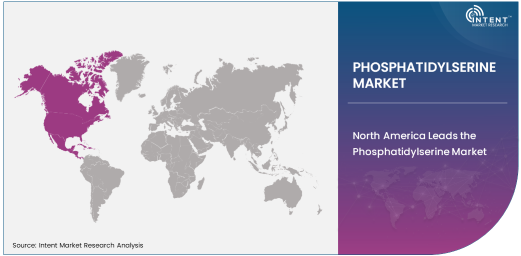
North America Leads the Phosphatidylserine Market
North America is the largest region in the phosphatidylserine market, driven by the increasing adoption of dietary supplements and functional foods that contain cognitive-enhancing ingredients like phosphatidylserine. The United States, in particular, is home to a highly developed nutraceutical market, where consumers actively seek products that support brain health and cognitive function. The aging population in North America is a significant driver, with many individuals looking for preventive solutions to combat age-related cognitive decline, such as Alzheimer's disease and other forms of dementia. Moreover, the growing focus on mental health and wellness is further fueling the demand for phosphatidylserine supplements in the region.
The North American market also benefits from robust research and development efforts, with pharmaceutical companies and academic institutions investing in studies to explore the potential therapeutic benefits of phosphatidylserine. As awareness around brain health continues to rise, the region is expected to maintain its dominance in the market. Additionally, the presence of major manufacturers and suppliers in the region strengthens its position as the leading market for phosphatidylserine.
Competitive Landscape: Key Players and Market Strategies
The phosphatidylserine market is competitive, with key players focusing on product innovation, expanding their portfolios, and leveraging marketing strategies to cater to the growing demand for cognitive-enhancing products. Major companies such as Chemi Nutra, Merck KGaA, and Lecico International are leading the market with their high-quality phosphatidylserine products. These players are focusing on both animal-based and plant-based phosphatidylserine options to cater to a broad range of consumer preferences.
Strategic partnerships, acquisitions, and product launches are common tactics used by market players to strengthen their market position. Companies are also investing in clinical trials and research to explore new health benefits and therapeutic applications of phosphatidylserine. The growing interest in plant-based products has prompted many manufacturers to shift their focus to plant-derived phosphatidylserine, a trend that is expected to reshape the competitive landscape. As the market continues to evolve, players that prioritize sustainability, innovation, and consumer education will be well-positioned to lead the phosphatidylserine market.
Recent Developments:
- Nestlé S.A. launched a new cognitive health supplement containing phosphatidylserine and omega-3 fatty acids aimed at the senior demographic.
- DuPont de Nemours, Inc. acquired a leading phosphatidylserine producer to expand its portfolio of cognitive health solutions.
- Kemin Industries, Inc. announced the successful development of a plant-based phosphatidylserine product targeting brain health for functional foods.
- Lonza Group Ltd. received regulatory approval for a new line of phosphatidylserine-based supplements for improving memory and mental clarity.
- Lipoid GmbH revealed a new sustainable method for extracting phosphatidylserine from soy lecithin, catering to the growing demand for plant-based ingredients.
List of Leading Companies:
- Nestlé S.A.
- DuPont de Nemours, Inc.
- Omega Protein Corporation
- Chemi Nutra, LLC
- Lecico Pharmaceutical Group
- Zhejiang Haining Tianrun Pharmaceutical Co., Ltd.
- Kemin Industries, Inc.
- Avanti Polar Lipids, Inc.
- Arjuna Natural Ltd.
- AstaReal Inc.
- Lipoid GmbH
- Pharmalink AB
- Lonza Group Ltd.
- Spherix Incorporated
- NutraScience Labs
Report Scope:
|
Report Features |
Description |
|
Market Size (2024-e) |
USD 578.3 Million |
|
Forecasted Value (2030) |
USD 1143.9 Million |
|
CAGR (2025 – 2030) |
12.0% |
|
Base Year for Estimation |
2024-e |
|
Historic Year |
2023 |
|
Forecast Period |
2025 – 2030 |
|
Report Coverage |
Market Forecast, Market Dynamics, Competitive Landscape, Recent Developments |
|
Segments Covered |
Phosphatidylserine Market By Source (Animal-based Phosphatidylserine, Plant-based Phosphatidylserine), By Form (Powder, Liquid), By Application (Dietary Supplements, Functional Foods & Beverages, Pharmaceuticals, Cosmetics & Personal Care, Sports Nutrition), By End-User (Individuals, Healthcare Institutions, Pharmaceutical Manufacturers, Research & Development Institutes) |
|
Regional Analysis |
North America (US, Canada, Mexico), Europe (Germany, France, UK, Italy, Spain, and Rest of Europe), Asia-Pacific (China, Japan, South Korea, Australia, India, and Rest of Asia-Pacific), Latin America (Brazil, Argentina, and Rest of Latin America), Middle East & Africa (Saudi Arabia, UAE, Rest of Middle East & Africa) |
|
Major Companies |
Nestlé S.A., DuPont de Nemours, Inc., Omega Protein Corporation, Chemi Nutra, LLC, Lecico Pharmaceutical Group, Zhejiang Haining Tianrun Pharmaceutical Co., Ltd., Kemin Industries, Inc., Avanti Polar Lipids, Inc., Arjuna Natural Ltd., AstaReal Inc., Lipoid GmbH, Pharmalink AB, Lonza Group Ltd., Spherix Incorporated, NutraScience Labs |
|
Customization Scope |
Customization for segments, region/country-level will be provided. Moreover, additional customization can be done based on the requirements |
|
1. Introduction |
|
1.1. Market Definition |
|
1.2. Scope of the Study |
|
1.3. Research Assumptions |
|
1.4. Study Limitations |
|
2. Research Methodology |
|
2.1. Research Approach |
|
2.1.1. Top-Down Method |
|
2.1.2. Bottom-Up Method |
|
2.1.3. Factor Impact Analysis |
|
2.2. Insights & Data Collection Process |
|
2.2.1. Secondary Research |
|
2.2.2. Primary Research |
|
2.3. Data Mining Process |
|
2.3.1. Data Analysis |
|
2.3.2. Data Validation and Revalidation |
|
2.3.3. Data Triangulation |
|
3. Executive Summary |
|
3.1. Major Markets & Segments |
|
3.2. Highest Growing Regions and Respective Countries |
|
3.3. Impact of Growth Drivers & Inhibitors |
|
3.4. Regulatory Overview by Country |
|
4. Phosphatidylserine Market, by Source (Market Size & Forecast: USD Million, 2023 – 2030) |
|
4.1. Animal-based Phosphatidylserine |
|
4.2. Plant-based Phosphatidylserine |
|
5. Phosphatidylserine Market, by Form (Market Size & Forecast: USD Million, 2023 – 2030) |
|
5.1. Powder |
|
5.2. Liquid |
|
6. Phosphatidylserine Market, by Application (Market Size & Forecast: USD Million, 2023 – 2030) |
|
6.1. Dietary Supplements |
|
6.2. Functional Foods & Beverages |
|
6.3. Pharmaceuticals |
|
6.4. Cosmetics & Personal Care |
|
6.5. Sports Nutrition |
|
6.6. Others |
|
7. Phosphatidylserine Market, by End-User (Market Size & Forecast: USD Million, 2023 – 2030) |
|
7.1. Individuals (Direct Consumers) |
|
7.2. Healthcare Institutions (Hospitals, Clinics) |
|
7.3. Pharmaceutical Manufacturers |
|
7.4. Research & Development Institutes |
|
8. Regional Analysis (Market Size & Forecast: USD Million, 2023 – 2030) |
|
8.1. Regional Overview |
|
8.2. North America |
|
8.2.1. Regional Trends & Growth Drivers |
|
8.2.2. Barriers & Challenges |
|
8.2.3. Opportunities |
|
8.2.4. Factor Impact Analysis |
|
8.2.5. Technology Trends |
|
8.2.6. North America Phosphatidylserine Market, by Source |
|
8.2.7. North America Phosphatidylserine Market, by Form |
|
8.2.8. North America Phosphatidylserine Market, by Application |
|
8.2.9. North America Phosphatidylserine Market, by End-User |
|
8.2.10. By Country |
|
8.2.10.1. US |
|
8.2.10.1.1. US Phosphatidylserine Market, by Source |
|
8.2.10.1.2. US Phosphatidylserine Market, by Form |
|
8.2.10.1.3. US Phosphatidylserine Market, by Application |
|
8.2.10.1.4. US Phosphatidylserine Market, by End-User |
|
8.2.10.2. Canada |
|
8.2.10.3. Mexico |
|
*Similar segmentation will be provided for each region and country |
|
8.3. Europe |
|
8.4. Asia-Pacific |
|
8.5. Latin America |
|
8.6. Middle East & Africa |
|
9. Competitive Landscape |
|
9.1. Overview of the Key Players |
|
9.2. Competitive Ecosystem |
|
9.2.1. Level of Fragmentation |
|
9.2.2. Market Consolidation |
|
9.2.3. Product Innovation |
|
9.3. Company Share Analysis |
|
9.4. Company Benchmarking Matrix |
|
9.4.1. Strategic Overview |
|
9.4.2. Product Innovations |
|
9.5. Start-up Ecosystem |
|
9.6. Strategic Competitive Insights/ Customer Imperatives |
|
9.7. ESG Matrix/ Sustainability Matrix |
|
9.8. Manufacturing Network |
|
9.8.1. Locations |
|
9.8.2. Supply Chain and Logistics |
|
9.8.3. Product Flexibility/Customization |
|
9.8.4. Digital Transformation and Connectivity |
|
9.8.5. Environmental and Regulatory Compliance |
|
9.9. Technology Readiness Level Matrix |
|
9.10. Technology Maturity Curve |
|
9.11. Buying Criteria |
|
10. Company Profiles |
|
10.1. Nestlé S.A. |
|
10.1.1. Company Overview |
|
10.1.2. Company Financials |
|
10.1.3. Product/Service Portfolio |
|
10.1.4. Recent Developments |
|
10.1.5. IMR Analysis |
|
*Similar information will be provided for other companies |
|
10.2. DuPont de Nemours, Inc. |
|
10.3. Omega Protein Corporation |
|
10.4. Chemi Nutra, LLC |
|
10.5. Lecico Pharmaceutical Group |
|
10.6. Zhejiang Haining Tianrun Pharmaceutical Co., Ltd. |
|
10.7. Kemin Industries, Inc. |
|
10.8. Avanti Polar Lipids, Inc. |
|
10.9. Arjuna Natural Ltd. |
|
10.10. AstaReal Inc. |
|
10.11. Lipoid GmbH |
|
10.12. Pharmalink AB |
|
10.13. Lonza Group Ltd. |
|
10.14. Spherix Incorporated |
|
10.15. NutraScience Labs |
|
11. Appendix |
A comprehensive market research approach was employed to gather and analyze data on the Phosphatidylserine Market. In the process, the analysis was also done to analyze the parent market and relevant adjacencies to measure the impact of them on the Phosphatidylserine Market. The research methodology encompassed both secondary and primary research techniques, ensuring the accuracy and credibility of the findings.
.jpg)
Secondary Research
Secondary research involved a thorough review of pertinent industry reports, journals, articles, and publications. Additionally, annual reports, press releases, and investor presentations of industry players were scrutinized to gain insights into their market positioning and strategies.
Primary Research
Primary research involved conducting in-depth interviews with industry experts, stakeholders, and market participants across the E-Waste Management ecosystem. The primary research objectives included:
- Validating findings and assumptions derived from secondary research
- Gathering qualitative and quantitative data on market trends, drivers, and challenges
- Understanding the demand-side dynamics, encompassing end-users, component manufacturers, facility providers, and service providers
- Assessing the supply-side landscape, including technological advancements and recent developments
Market Size Assessment
A combination of top-down and bottom-up approaches was utilized to analyze the overall size of the Phosphatidylserine Market. These methods were also employed to assess the size of various subsegments within the market. The market size assessment methodology encompassed the following steps:
- Identification of key industry players and relevant revenues through extensive secondary research
- Determination of the industry's supply chain and market size, in terms of value, through primary and secondary research processes
- Calculation of percentage shares, splits, and breakdowns using secondary sources and verification through primary sources
.jpg)
Data Triangulation
To ensure the accuracy and reliability of the market size, data triangulation was implemented. This involved cross-referencing data from various sources, including demand and supply side factors, market trends, and expert opinions. Additionally, top-down and bottom-up approaches were employed to validate the market size assessment.
NA